Utopai Studios has launched PAI 2.0, an updated version of its generative video platform aimed at giving creators more control over longer AI-generated sequences.
The launch, reported by Variety and Post Magazine, introduces a stronger creative agent, a freeform Canvas workspace, voice input, two creation modes and updated image and video generation models. The company is positioning the system less as a prompt-to-clip toy and more as a structured workspace for building scenes, characters and story worlds.
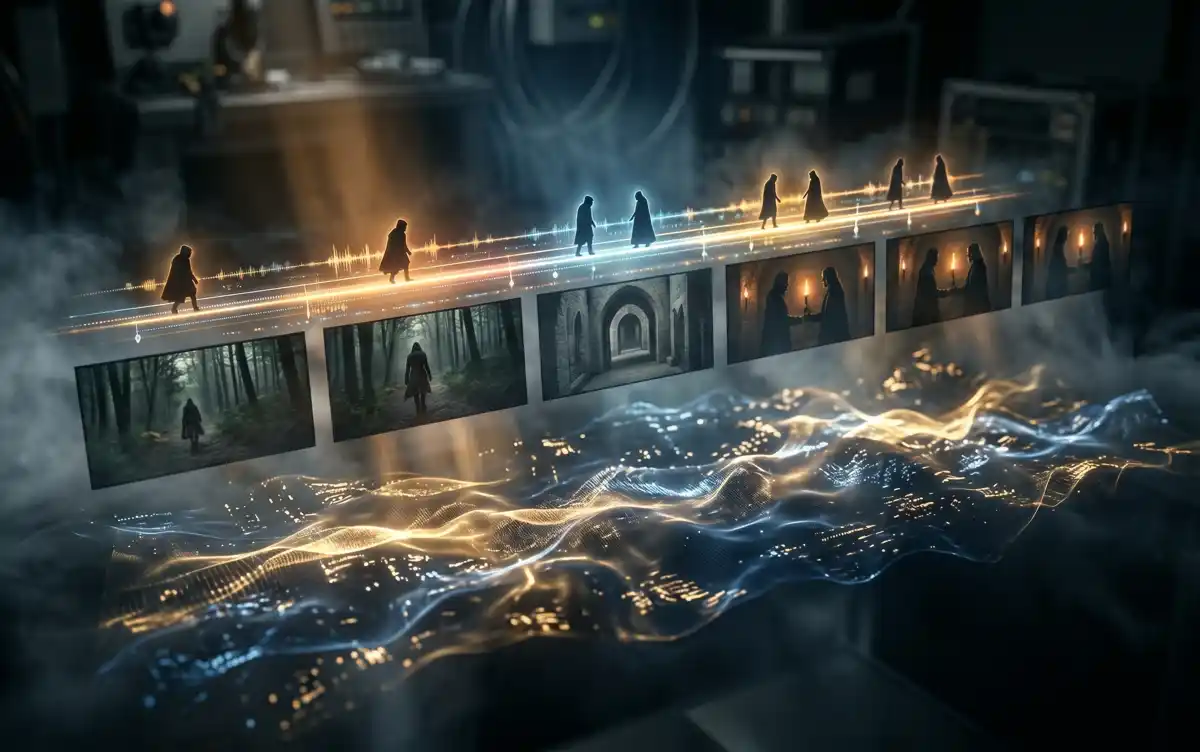
That distinction matters because continuity remains one of generative video’s obvious production problems. A single impressive shot is useful for demos. A usable sequence needs characters, environments, lighting, camera style and story logic to hold together across multiple shots. Utopai says PAI is designed around that longer-form problem, with its Story Agent intended to maintain narrative and visual continuity.
Utopai has also been promoting longer generation limits. In an April release, the company said PAI could generate up to three minutes of continuous 4K video, expanding from an earlier one-minute configuration. Its PAI product page now describes support for up to 180 seconds of continuous 4K generation.
For production teams, the relevant question is not whether the platform can generate a longer video file. It is whether the result remains controllable enough to survive revision: matching characters, preserving shot intent, adjusting performance, changing environments, keeping style consistent and exporting material in a way that fits a real production pipeline.
Utopai also talks about provenance and “rights-ready” workflows, but those claims need to be tested carefully. Professional use of generative video depends not only on image quality and continuity, but on training-data exposure, asset ownership, audit trails, approvals, releases and whether clients or distributors will accept the resulting material.
The useful signal is that AI video companies are moving away from isolated spectacle shots and toward scene-level control. PAI 2.0 should be judged on whether it helps creators revise and manage sequences, not just whether it can produce a longer, shinier clip.