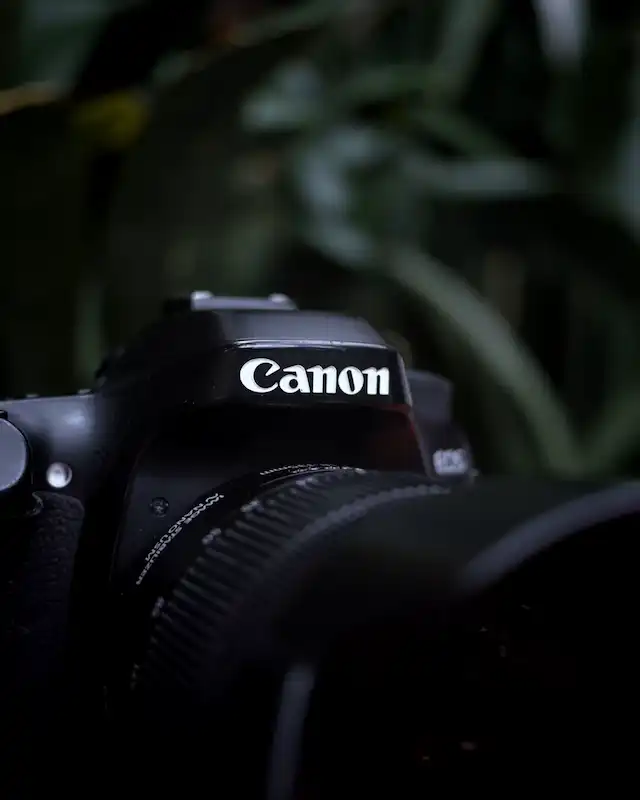
Canon is rolling out a new Authenticity Imaging System designed to help news organizations verify the provenance of digital images from the moment of capture. The system is based on the C2PA standard, the Coalition for Content Provenance and Authenticity framework for recording where digital media came from and what happened to it along the way.
The system launches initially in Europe, the Middle East and Africa in May 2026, with support starting on the Canon EOS R1 and EOS R5 Mark II. When C2PA functionality is enabled on a supported camera, the image can be captured with provenance data and a digital signature. Canon’s service can then issue certificates, apply trusted timestamps and verify the image’s content history through later stages of the workflow.
The practical aim is simple: give newsrooms a way to show that an image has a traceable history rather than asking audiences to take every photo on trust. That matters more as synthetic images and manipulated visuals become easier to produce and harder to spot by eye. Reuters collaborated with Canon on technical testing, using the EOS R1 and EOS R5 Mark II with the Image Authenticity feature enabled, and Canon says Reuters confirmed that authenticated provenance data could be generated reliably.
For media organizations, the system is less about detecting every fake image after the fact and more about preserving trust in images captured inside controlled professional workflows. A newsroom, agency or publisher can use provenance data to help verify what camera captured an image, when it was captured, what edits were made and whether the file still carries a valid chain of trust. That could become especially useful for wire photos, conflict coverage, elections, public-safety imagery and other areas where a false image can travel faster than the correction.
There are limits. C2PA is a provenance standard, not a universal truth machine. Canon notes that capture date, time and photographer information depend on the camera’s internal settings, so the record can help prevent tampering after capture but does not guarantee that every recorded detail was correct at the moment the shutter was pressed. The workflow also depends on C2PA-aware tools after capture; edits in compliant software can append new provenance, while unsupported steps may break or strip the chain.
The system also requires paid activation of C2PA functionality on supported camera bodies. Canon says it plans to explore uses beyond news, including government, healthcare and research, but the initial pitch is clearly aimed at professional news organizations trying to make image authenticity visible before the next fake goes halfway around the world in a group chat.